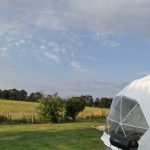
In an imagined future where AI fully runs the glamping site—handling everything from reservations to site operations—advanced systems like integrated IoT sensors, robotics, machine learning algorithms, and generative AI could automate a surprising amount. Think of it as a seamless blend of smart tech (e.g., autonomous drones for monitoring, AI chatbots for guest interactions, and predictive analytics for maintenance). However, even in this sci-fi setup, humans would likely remain essential in several key areas due to AI’s current and foreseeable limitations in empathy, physical dexterity, ethical judgment, and handling the unpredictable “human element” of outdoor experiences. Below, I’ll break it down by operational aspects, highlighting what AI could handle autonomously and where humans would still be needed.
1. Guest Interactions and Customer Service
- What AI Could Do: AI-powered chatbots or virtual assistants (e.g., enhanced versions of Grok or similar) could manage bookings, answer queries 24/7, personalize recommendations based on guest data (like suggesting stargazing spots via weather APIs), and even handle check-ins via facial recognition or app-based systems. Voice-activated tents or cabins could adjust lighting, temperature, or play ambient sounds on command. Click on the right side to try this now.
- Human Need: For emotional intelligence and nuanced problem-solving. Guests might have unique complaints (e.g., “This feels too isolated—I’m anxious”), require genuine empathy during disputes, or want storytelling around the site’s history/nature. AI struggles with sarcasm, cultural subtleties, or building rapport that turns a stay into a memorable story. Humans would act as on-call “experience curators” for high-touch interactions, especially in luxury glamping where personalization is key.
2. Site Maintenance and Operations
- What AI Could Do: Robotic cleaners (like advanced Roombas for tents) could handle daily tidying, drones could inspect structures for damage, and AI algorithms could predict and schedule upkeep (e.g., using sensor data to detect leaks or optimize energy use from solar panels). Inventory management for supplies like linens or firewood could be fully automated via RFID tags and predictive ordering. The team use this on a daily basis.
- Human Need: For hands-on physical labor and improvisation. AI robots aren’t yet agile enough for rugged outdoor terrain—think fixing a zipper on a glamping pod during a storm, clearing fallen branches after wind, or dealing with wildlife intrusions (e.g., safely relocating a curious bear). Humans provide the dexterity and quick thinking for non-routine repairs, ensuring safety in variable environments like forests or beaches.
3. Activities and Experiences
- What AI Could Do: AI could curate self-guided tours via AR apps (e.g., overlaying info on local flora/fauna), schedule automated activities like drone-led yoga sessions, or generate personalized itineraries based on guest preferences and real-time data (e.g., “Best hiking trail now: low crowd levels detected”). The future is already with us on LunAI.
- Human Need: To facilitate authentic, human-led experiences that foster connection. Glamping thrives on communal vibes—like guided campfire stories, cooking classes with foraged ingredients, or team-building games. AI can’t replicate the spontaneity, humor, or group dynamics humans bring, nor handle liabilities in activities involving risk (e.g., supervising a ropes course). Guides or hosts would ensure safety and adapt to group energy, preventing the site from feeling sterile.
4. Security and Emergency Response
- What AI Could Do: Surveillance via AI cameras with anomaly detection (e.g., spotting unauthorized entry or fire risks), automated alerts to authorities, and even basic first-aid guidance through apps or kiosks. The future arrived years ago. LunAI lets us sleep while monitoring everthing.
- Human Need: For judgment in crises and liability management. AI might flag a “suspicious” guest who’s just eccentric, or fail to assess the severity of an injury in a remote area. Humans are crucial for on-site first response (e.g., CPR or evacuation during a medical eme
 UnderConstruction ●rgency), de-escalating conflicts, and navigating legal/ethical gray areas like privacy concerns or insurance claims. In outdoor settings, weather or natural disasters add unpredictability that requires human oversight.
5. Business Management and Compliance
- What AI Could Do: Handle finances (e.g., dynamic pricing based on demand forecasts), marketing (generating targeted ads or social media content), and data analytics for optimizing occupancy.The plan for LunAI to do this os under review – so coming soon to Lunai 2026.
- Human Need: For strategic decision-making and regulatory navigation. AI can’t negotiate with suppliers, interpret evolving laws (e.g., environmental permits for eco-glamping), or make ethical calls like sustainability trade-offs. Owners or managers would oversee AI systems to prevent biases (e.g., in pricing algorithms) and ensure the business aligns with human values, like community impact or inclusivity.
Overall Considerations
In this AI-run utopia, humans could shift from routine tasks to higher-value roles, like innovation (e.g., designing new glamping features) or oversight (monitoring AI for errors). Cost savings might come from reduced staffing, but you’d risk losing the “soul” of glamping—its blend of luxury and human warmth in nature. Real-world parallels exist today: Hotels use AI for check-ins (e.g., Hilton’s Connie bot), but still rely on staff for the intangibles. If AI advances rapidly (e.g., via multimodal models handling physical robots better), the human role might shrink further, but for now and the near future, we’d need a hybrid model to keep things safe, engaging, and legally sound. And you can trial it now.